9786258606256
731867
https://www.kitapova.com/kriton-kriton
Kriton (Κρίτων)
290.00
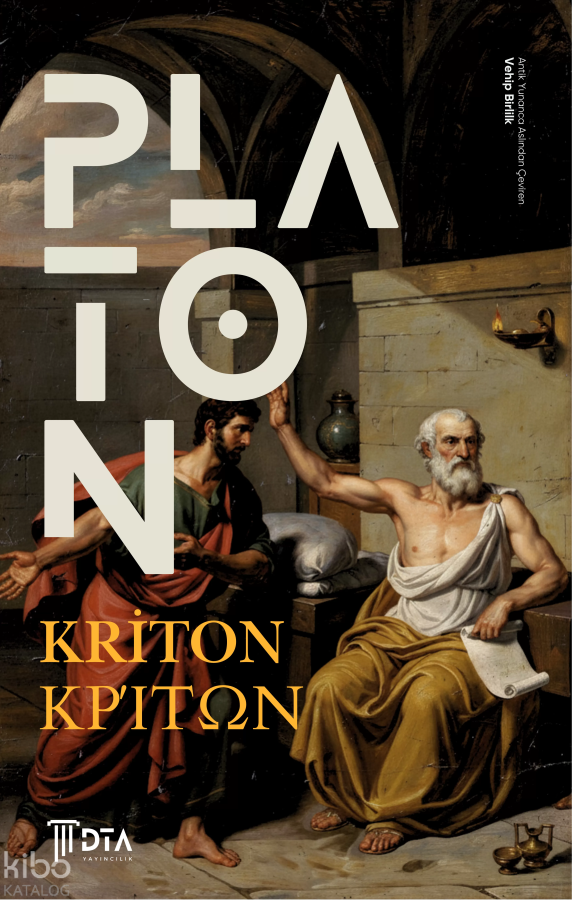
Bu eser, Mahkemenin sonuçlanmasından sonra Sokrates'in ölüm cezasını beklediği zindanda geçirdiği bir ayın özeti niteliğindedir. Diyalog, Platon ve Kriton'un bu kısa süre zarfında birlikte geçirdikleri zamanın yoğun bir sorgulamasıdır. Kriton şafak vaktinde, çok yakın dostu olan Sokrates'in ziyaretine gelir ve onu ne olursa olsun kaçmaya ikna etmeye çalışır. Sokrates'in diğer tüm dostlarını da ikna ederek, filozofun kaçması için para ve plan hazırlamıştır. Kriton, Sokrates'i bu kaçma planına ikna edemediği takdirde, toplum tarafından dışlanacağı ve kötü bir üne sahip olacağı fikrine kapılmıştır. Buna karşılık Sokrates ise tüm yaşamı boyunca edinmiş olduğu ilkeler ve kaçma fikri arasında içsel bir çatışma yaşamaktadır. Buradaki tüm mesele kaçmalı mı yoksa haksızca verilen ölüm cezasını mı beklemeli sorusundan yola çıkarak “doğru nedir” sorusuna cevap aranır. Bu diyaloğun en önemli yanı Atina Yasalarının kişileştirilmesidir. Filozof adeta kentin yasalarıyla konuşuyordur. Yasaların ve kentin kendisine baktığını, kendisini büyüttüğünü, vatandaşlık hakkı verdiğini ifade eder. Bu nedenle yasalara karşı çıkma ve kenti terk etme imkânı olduğu halde bunu yapmadığını hatırlatır. Ayrıca mahkemenin vermiş olduğu hükme boyun eğmişken, gizlice kaçmanın, yasaları çiğnemenin adil olmayacağını savunmuştur. Bu metin, Sokrates'in çoğunluğun fikirlerine değil, bilge olanın sözüne kulak verilmeli ilkesini, iyi ve adaletli yaşamak önemlidir, sadece yaşamak değil kuralını, hiçbir koşulda hatta karşılık olarak dahi asla başkalarına karşı adaletsizce davranmamak gerektiği prensibini en açık şekilde ortaya koyduğu diyaloğudur. Bunun için bu metin, yasalara itaat ve itaatsizlik tartışmaları ve ahlak felsefesi için temel bir kaynaktır.
İngilizce
This work summarizes the month Socrates spent in prison awaiting his death sentence after the conclusion of his trial. The dialogue is an intense questioning of the time Plato and Crito spent together during this short period. At dawn, Crito visits his close friend Socrates and tries to persuade him to escape at all costs. He has convinced all of Socrates' other friends and prepared money and a plan for the philosopher's escape. Crito believes that if he fails to convince Socrates to go along with this escape plan, he will be ostracized by society and gain a bad reputation. In contrast, Socrates is experiencing an internal conflict between the principles he has held throughout his life and the idea of escape. The whole issue here is about whether to escape or await the unjustly imposed death sentence, and the question of "what is right" is explored from this starting point. The most important aspect of this dialogue is the personification of the Athenian Laws. The philosopher is, in effect, speaking with the laws of the city. He states that the laws and the city looked after him, nurtured him, and granted him citizenship rights. Therefore, he reminds us that although he had the opportunity to defy the laws and leave the city, he did not do so. Furthermore, he argues that it would be unjust to secretly flee and violate the law while submitting to the court's verdict. This text is a dialogue in which Socrates most clearly demonstrates the principle that one should heed the words of the wise, not the opinions of the majority; that living well and justly is important, not just living; and that one should never act unjustly towards others under any circumstances, not even in return. For this reason, this text is a fundamental source for discussions on obedience and disobedience to the law and for moral philosophy.
Bu eser, Mahkemenin sonuçlanmasından sonra Sokrates'in ölüm cezasını beklediği zindanda geçirdiği bir ayın özeti niteliğindedir. Diyalog, Platon ve Kriton'un bu kısa süre zarfında birlikte geçirdikleri zamanın yoğun bir sorgulamasıdır. Kriton şafak vaktinde, çok yakın dostu olan Sokrates'in ziyaretine gelir ve onu ne olursa olsun kaçmaya ikna etmeye çalışır. Sokrates'in diğer tüm dostlarını da ikna ederek, filozofun kaçması için para ve plan hazırlamıştır. Kriton, Sokrates'i bu kaçma planına ikna edemediği takdirde, toplum tarafından dışlanacağı ve kötü bir üne sahip olacağı fikrine kapılmıştır. Buna karşılık Sokrates ise tüm yaşamı boyunca edinmiş olduğu ilkeler ve kaçma fikri arasında içsel bir çatışma yaşamaktadır. Buradaki tüm mesele kaçmalı mı yoksa haksızca verilen ölüm cezasını mı beklemeli sorusundan yola çıkarak “doğru nedir” sorusuna cevap aranır. Bu diyaloğun en önemli yanı Atina Yasalarının kişileştirilmesidir. Filozof adeta kentin yasalarıyla konuşuyordur. Yasaların ve kentin kendisine baktığını, kendisini büyüttüğünü, vatandaşlık hakkı verdiğini ifade eder. Bu nedenle yasalara karşı çıkma ve kenti terk etme imkânı olduğu halde bunu yapmadığını hatırlatır. Ayrıca mahkemenin vermiş olduğu hükme boyun eğmişken, gizlice kaçmanın, yasaları çiğnemenin adil olmayacağını savunmuştur. Bu metin, Sokrates'in çoğunluğun fikirlerine değil, bilge olanın sözüne kulak verilmeli ilkesini, iyi ve adaletli yaşamak önemlidir, sadece yaşamak değil kuralını, hiçbir koşulda hatta karşılık olarak dahi asla başkalarına karşı adaletsizce davranmamak gerektiği prensibini en açık şekilde ortaya koyduğu diyaloğudur. Bunun için bu metin, yasalara itaat ve itaatsizlik tartışmaları ve ahlak felsefesi için temel bir kaynaktır.
İngilizce
This work summarizes the month Socrates spent in prison awaiting his death sentence after the conclusion of his trial. The dialogue is an intense questioning of the time Plato and Crito spent together during this short period. At dawn, Crito visits his close friend Socrates and tries to persuade him to escape at all costs. He has convinced all of Socrates' other friends and prepared money and a plan for the philosopher's escape. Crito believes that if he fails to convince Socrates to go along with this escape plan, he will be ostracized by society and gain a bad reputation. In contrast, Socrates is experiencing an internal conflict between the principles he has held throughout his life and the idea of escape. The whole issue here is about whether to escape or await the unjustly imposed death sentence, and the question of "what is right" is explored from this starting point. The most important aspect of this dialogue is the personification of the Athenian Laws. The philosopher is, in effect, speaking with the laws of the city. He states that the laws and the city looked after him, nurtured him, and granted him citizenship rights. Therefore, he reminds us that although he had the opportunity to defy the laws and leave the city, he did not do so. Furthermore, he argues that it would be unjust to secretly flee and violate the law while submitting to the court's verdict. This text is a dialogue in which Socrates most clearly demonstrates the principle that one should heed the words of the wise, not the opinions of the majority; that living well and justly is important, not just living; and that one should never act unjustly towards others under any circumstances, not even in return. For this reason, this text is a fundamental source for discussions on obedience and disobedience to the law and for moral philosophy.
Iyzico İle Öde
| Taksit Sayısı | Taksit tutarı | Genel Toplam |
|---|---|---|
| Tek Çekim | 290,00 | 290,00 |
| 2 | 145,00 | 290,00 |
| 3 | 96,67 | 290,00 |
| 4 | 72,50 | 290,00 |
| 5 | 58,00 | 290,00 |
| 6 | 48,33 | 290,00 |
Yorum yaz
Bu kitabı henüz kimse eleştirmemiş.
-
-%19
 Stokta yok
 -
-%19
Stokta yok
-
-%19
Stokta yok
-
-%19
Stokta yok
-
Stokta yok
-
-%34
Stokta yok
-
-%39
Stokta yok
-
-%29
Stokta yok
-
-%29
Stokta yok
-
-%29
Stokta yok


-
Yeni
Stokta yok