Yeni

9786258606669
823563
https://www.kitapova.com/din-tarih-kultur-2-dinler-tarihi-religion-history-culture-ii-history-of-religions
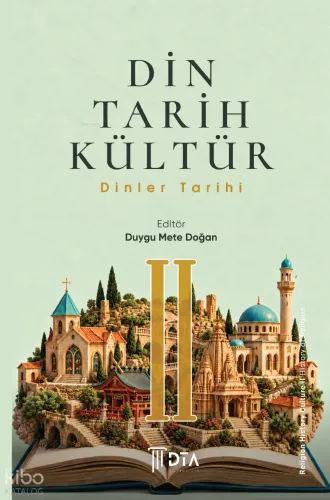
Din Tarih Kültür 2: Dinler Tarihi;Religion History Culture II: History of Religions
1170
Din Tarih Kültür II: Dinler Tarihi, dinler tarihi alanının güncel sorunlarını farklı coğrafyalar, metodolojiler ve kuramsal yaklaşımlar üzerinden ele alan on özgün çalışmayı bir araya getirmektedir. Din, tarih ve kültür arasındaki ilişkiyi merkeze alan eser; kutsalın postmodern bağlamda yeniden tanımlanmasından dinî otoritenin ve otantikliğin müzakeresine, dinî geleneklerin modern devlet, hukuk ve teknolojiyle kurduğu gerilimli ilişkiden dinin dijital ortamdaki sunumuna kadar geniş bir tematik çerçeve sunmaktadır. Hinduizm, Hıristiyanlık, Yahudilik, yeni dinî hareketler, Güney Amerika'daki yerli şamanik pratikler ve Japonya'daki çokkültürlü birlikte yaşam tartışmaları gibi çeşitli örnekler, disiplinin karşılaştırmalı ve disiplinlerarası karakterini ortaya koymaktadır. Bağımsız araştırmalardan oluşan bölümler, kutsalın tarihsel dönüşümü ve dinî otoritenin inşası gibi ortak sorular etrafında birleşerek çağdaş dinî olguları anlamaya yönelik ortak bir akademik zemin oluşturmaktadır. Dinler tarihi araştırmacılarının yanı sıra teoloji, sosyoloji, antropoloji ve kültürel çalışmalar alanlarında çalışan okuyucular için de kıymetli bir kaynak niteliği taşıyan bu kitap, kutsalın tarih boyunca aldığı çok yönlü biçimlere dair zengin bir perspektif kazandırmayı amaçlamaktadır.
İngilizce
Religion, History, and Culture II: History of Religions brings together ten original studies that address current issues in the field of the history of religions through different geographies, methodologies, and theoretical approaches. Centering on the relationship among religion, history, and culture, the volume offers a broad thematic framework. It ranges from the redefinition of the sacred in a postmodern context to the negotiation of religious authority and authenticity, from the tense relationship between religious traditions and the modern state, law, and technology to the presentation of religion in digital environments. Examples drawn from Hinduism, Christianity, Judaism, new religious movements, indigenous shamanic practices in South America, and debates on multicultural coexistence in Japan demonstrate the comparative and interdisciplinary character of the discipline. Although the chapters are independent studies, they converge around shared questions, such as the historical transformation of the sacred and the construction of religious authority, and thus establish a common academic ground for understanding contemporary religious phenomena. Valuable for scholars of the history of religions as well as for readers in theology, sociology, anthropology, and cultural studies, this book aims to offer a rich perspective on the multifaceted forms the sacred has taken throughout history.
Yorum yaz
Bu kitabı henüz kimse eleştirmemiş.
-
-%39
 Stokta yok%39İNDİRİM505,00 308,05

-
Yeni
Stokta yok
-
Yeni
Stokta yok
-
Yeni
Stokta yok
-
Yeni
Stokta yok
-
Stokta yok
-
Stokta yok
-
Stokta yok