9786057789693
621665
https://www.kitapova.com/translation-ergonomics-toward-a-sustainable-profession
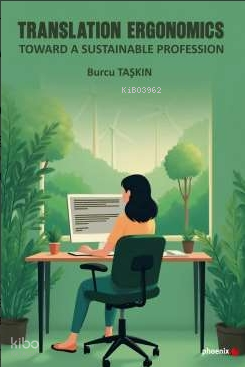
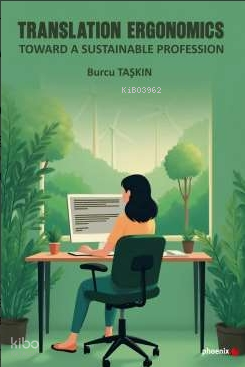
Translation Ergonomics;Toward A Sustainable Profession
255.50
In “Translation Ergonomics: Toward a Sustainable Profession,” Burcu Taşkın presents a timely and
comprehensive exploration of translation work through the innovative lens of ergonomics, critically
addressing the physical, cognitive, organizational, educational, and ecological dimensions of
translator well-being. Recognizing translation as a deeply embodied and cognitively demanding
profession, Taşkın systematically examines how the integration of ergonomic principles can transform
translators' work environments and foster sustainable professional practices.
Drawing on robust empirical research and rich theoretical frameworks, the book emphasizes the
interconnectedness of translators' health, institutional structures, and the environmental impacts of
translation technologies. It challenges conventional paradigms by foregrounding systemic issues such
as precarious labor conditions, cognitive overload from complex technological tools, and the
exclusionary designs that marginalize disabled translators. Taşkın integrates insights from crip theory,
green ergonomics, and eco-translation, advocating for inclusive, participatory, and ecologically
conscious translation practices.
This scholarly yet accessible work is essential reading for academics, translators, and policymakers
interested in improving translator well-being and advancing ethical sustainability within the
translation industry. Taşkın's meticulous analysis and compelling argumentation invite readers to
reconsider translation as a humane, adaptive, and environmentally responsible profession, charting a
clear pathway toward a more inclusive and sustainable future.
In “Translation Ergonomics: Toward a Sustainable Profession,” Burcu Taşkın presents a timely and
comprehensive exploration of translation work through the innovative lens of ergonomics, critically
addressing the physical, cognitive, organizational, educational, and ecological dimensions of
translator well-being. Recognizing translation as a deeply embodied and cognitively demanding
profession, Taşkın systematically examines how the integration of ergonomic principles can transform
translators' work environments and foster sustainable professional practices.
Drawing on robust empirical research and rich theoretical frameworks, the book emphasizes the
interconnectedness of translators' health, institutional structures, and the environmental impacts of
translation technologies. It challenges conventional paradigms by foregrounding systemic issues such
as precarious labor conditions, cognitive overload from complex technological tools, and the
exclusionary designs that marginalize disabled translators. Taşkın integrates insights from crip theory,
green ergonomics, and eco-translation, advocating for inclusive, participatory, and ecologically
conscious translation practices.
This scholarly yet accessible work is essential reading for academics, translators, and policymakers
interested in improving translator well-being and advancing ethical sustainability within the
translation industry. Taşkın's meticulous analysis and compelling argumentation invite readers to
reconsider translation as a humane, adaptive, and environmentally responsible profession, charting a
clear pathway toward a more inclusive and sustainable future.
Yorum yaz
Bu kitabı henüz kimse eleştirmemiş.

-
-%27
 Stokta yok
 -
-%27
Stokta yok
-
-%27
Stokta yok%27İNDİRİM230,00 167,90
-
-%27
Stokta yok%27İNDİRİM380,00 277,40
-
-%27
Stokta yok%27İNDİRİM475,00 346,75
-
-%27
Stokta yok
-
-%27
Stokta yok%27İNDİRİM450,00 328,50
-
-%27
Stokta yok%27İNDİRİM900,00 657,00
-
-%27
Stokta yok
-
-%27
Stokta yok