9786255802477
733524
https://www.kitapova.com/international-legal-status-of-the-kerch-strait-after-the-dissolution-of-the-ussr-geopolitical-conjunctures-and-their-consequences
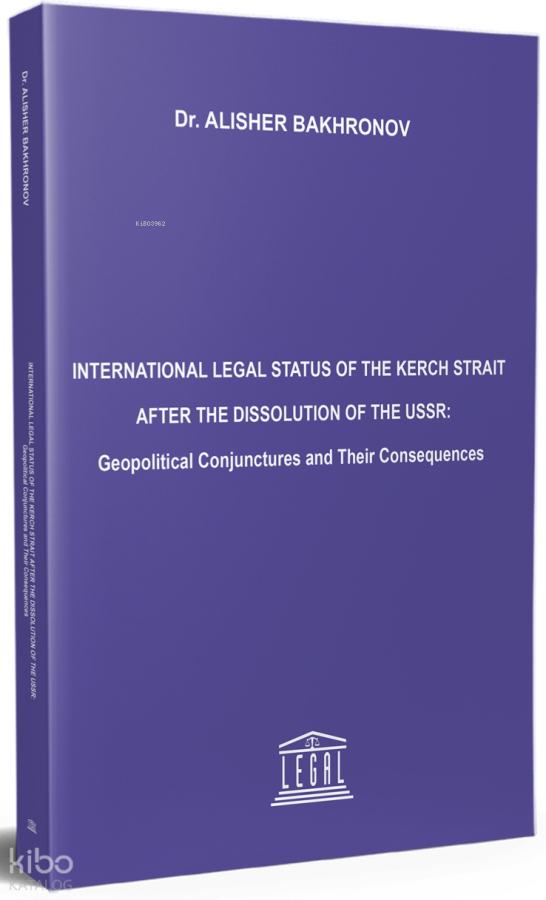
International Legal Status of the Kerch Strait After the Dissolution of the USSR: Geopolitical Conjunctures and Their Consequences
1200.00
Kerç Boğazı — en dar noktasında yalnızca dört kilometre genişliğinde — yirmi birinci yüzyılın hukuken en fazla ihtilaf konusu olan su yollarından biri hâline gelmiştir. Bu kitap, onun Sovyetler Birliği'nin tartışmasız bir iç su yolu olma niteliğinden, silahlı çatışma, ilhak ve uluslararası hukukun yaptırım konusundaki çıkmazı koşulları altında askerîleştirilmiş bir boğaza dönüşümünü izlemektedir.
Rusça, İngilizce ve Türkçe birincil kaynaklara dayanan Dr. Alisher Bakhronov, Kerç Boğazı'nın Sovyet sonrası evrimini kesintisiz bir anlatı olarak ele alan ilk kapsamlı hukuki incelemeyi sunmaktadır. Çalışma, 1991 yılında SSCB'nin dağılması ve bunun yarattığı hukuki boşlukla başlamakta; 2003 tarihli ikili antlaşma çerçevesi, Rusya'nın 2014 yılında Kırım'ı ilhakı, 2018 Kerç Krizi ve 2022 yılından itibaren tam ölçekli savaş koşullarındaki abluka süreci boyunca ilerlemekte ve her aşamayı UNCLOS, devlet uygulaması ve uluslararası yargılama perspektifinden analiz etmektedir.
Kitabın temel argümanı açıktır: Kerç Boğazı krizi, uluslararası deniz hukukunda hiçbir yargı merciinin tek başına gideremeyeceği yapısal bir uygulama ve yaptırım boşluğunu ortaya koymaktadır. Ortaya koyduğu dersler, Karadeniz'in çok ötesine uzanmakta ve jeopolitik baskının hukuki yükümlülüklerin sınırlarıyla karşılaştığı her türlü ihtilaflı boğaza doğrudan hitap etmektedir.
TABLE OF CONTENTS
KİTAP HAKKINDA III
PREFACE V
INTRODUCTION 1
CHAPTER ONE
1. Historical Context of the Legal Status of the Kerch Strait 11
1.1 The Kerch Strait During the Soviet Era: A Unified Legal Regime 11
1.2 The Dissolution of the USSR and Emerging Challenges in Legal Regulation 13
1.3 Legal Frameworks for International Straits: The Role of the 1982 United Nations Convention on the Law of the Sea 16
CHAPTER TWO
2. The 2003 Treaty: Foundations of a Bilateral Regime 21
2.1 Analysis of Key Provisions of the Treaty Between the Russian Federation and Ukraine on Cooperation in the Use of the Sea of Azov and the Kerch Strait 21
2.2 Problems and Conflicts in the Implementation of the Treaty 25
2.2.1 The Tuzla Island Dispute and Its Legal Significance 29
2.3 The Impact of Crimea's Annexation on the Implementation of the Treaty Between the Russian Federation and Ukraine on Cooperation in the Use of the Sea of Azov and the Kerch Strait 31
CHAPTER THREE
3. Geopolitical Challenges: The Events of 2014 and Their Consequences 35
3.1 The Annexation of Crimea: Legal and Political Dimensions 35
3.2 International Response: Sanctions, UN Resolutions, and the Positions of International Organizations 38
3.3 The Impact of Crimea's Annexation on Ukraine's Maritime Sovereignty 42
3.3.1 The Impact on Ukraine's Sovereignty Over the Kerch Strait 42
3.3.2 Construction of the Crimean Bridge over the Kerch Strait 43
3.3.3 Kerch Crisis on November 25, 2018 44
3.3.4 The Incident at Cape Fiolent on June 23, 2021 46
3.3.4.1. The Incident and the Stance of the Parties Involved 46
3.3.4.2. Legal Aspects 47
3.3.4.3. The Right of Innocent Passage for Warships 49
3.3.4.4. Political Aspects and Legal Risks 49
CHAPTER FOUR
4. The Kerch Strait in Wartime: The 2022 Escalation of Conflict 51
4.1 Blockade and Militarization: A New Phase of Conflict 51
4.2 Impact of Military Actions on International Maritime Law 54
4.3 Challenges in Enforcing Ukraine's Sovereignty Over the Sea of Azov and the Kerch Strait Under International Law 57
CHAPTER FIVE
5. The Role of International Mechanisms in Conflict Resolution 61
5.1 The International Tribunal for the Law of the Sea and Its Decisions 61
5.2 Arbitration Prospects: Precedents and Potential Paths Forward 64
5.3 The Role of the EU, UN, and NATO in Supporting Regional Stability 67
5.4 The Limits of International Adjudication in Times of Armed Conflict 70
CHAPTER SIX
6. Paths to Conflict Resolution and Recommendations 73
6.1 Restoration of Bilateral Cooperation: Is It Possible? 73
6.2 International Legal Mechanisms for Dispute Resolution 75
Judicial and Arbitral Proceedings 75
Institutional Innovation 76
6.3 Prospects for Establishing a New Legal Regime for the Kerch Strait 77
Model One: Restored Bilateral Regime with International Guarantees 77
Model Two: International Strait Status Under UNCLOS 78
Model Three: Transitional International Administration 79
Comparative Assessment and Recommendations 80
CONCLUSION 83
For Ukraine 88
Conditions for Russian Re-engagement with International Law 88
For the European Union and Its Member States 89
For the United Nations 90
For NATO and Allied States 90
For the International Judicial and Arbitral Bodies 91
For the International Maritime Organization 91
Concluding Observation 92
APPENDICES
APPENDIX A 93
Treaty between the Russian Federation and Ukraine on Cooperation in the Use of the Sea of Azov and the Kerch Strait (2003): Key Provisions 93
APPENDIX B 94
Regional Maps: Geopolitical Dynamics of the Kerch Strait 94
APPENDIX C 99
UN Resolutions Related to Crimea and the Kerch Strait 99
APPENDIX D 100
Timeline of Key Events (1991–2026) 100
APPENDIX E 102
Comparative Table of Strait Regimes Under UNCLOS 102
REFERENCES
Monographs and Edited Volumes 105
Sources of International Law and Materials from International Judicial Proceedings 111
Treaties and Conventions 112
Official Documents and Policy Sources 114
Media and Online Sources 114
Kerç Boğazı — en dar noktasında yalnızca dört kilometre genişliğinde — yirmi birinci yüzyılın hukuken en fazla ihtilaf konusu olan su yollarından biri hâline gelmiştir. Bu kitap, onun Sovyetler Birliği'nin tartışmasız bir iç su yolu olma niteliğinden, silahlı çatışma, ilhak ve uluslararası hukukun yaptırım konusundaki çıkmazı koşulları altında askerîleştirilmiş bir boğaza dönüşümünü izlemektedir.
Rusça, İngilizce ve Türkçe birincil kaynaklara dayanan Dr. Alisher Bakhronov, Kerç Boğazı'nın Sovyet sonrası evrimini kesintisiz bir anlatı olarak ele alan ilk kapsamlı hukuki incelemeyi sunmaktadır. Çalışma, 1991 yılında SSCB'nin dağılması ve bunun yarattığı hukuki boşlukla başlamakta; 2003 tarihli ikili antlaşma çerçevesi, Rusya'nın 2014 yılında Kırım'ı ilhakı, 2018 Kerç Krizi ve 2022 yılından itibaren tam ölçekli savaş koşullarındaki abluka süreci boyunca ilerlemekte ve her aşamayı UNCLOS, devlet uygulaması ve uluslararası yargılama perspektifinden analiz etmektedir.
Kitabın temel argümanı açıktır: Kerç Boğazı krizi, uluslararası deniz hukukunda hiçbir yargı merciinin tek başına gideremeyeceği yapısal bir uygulama ve yaptırım boşluğunu ortaya koymaktadır. Ortaya koyduğu dersler, Karadeniz'in çok ötesine uzanmakta ve jeopolitik baskının hukuki yükümlülüklerin sınırlarıyla karşılaştığı her türlü ihtilaflı boğaza doğrudan hitap etmektedir.
TABLE OF CONTENTS
KİTAP HAKKINDA III
PREFACE V
INTRODUCTION 1
CHAPTER ONE
1. Historical Context of the Legal Status of the Kerch Strait 11
1.1 The Kerch Strait During the Soviet Era: A Unified Legal Regime 11
1.2 The Dissolution of the USSR and Emerging Challenges in Legal Regulation 13
1.3 Legal Frameworks for International Straits: The Role of the 1982 United Nations Convention on the Law of the Sea 16
CHAPTER TWO
2. The 2003 Treaty: Foundations of a Bilateral Regime 21
2.1 Analysis of Key Provisions of the Treaty Between the Russian Federation and Ukraine on Cooperation in the Use of the Sea of Azov and the Kerch Strait 21
2.2 Problems and Conflicts in the Implementation of the Treaty 25
2.2.1 The Tuzla Island Dispute and Its Legal Significance 29
2.3 The Impact of Crimea's Annexation on the Implementation of the Treaty Between the Russian Federation and Ukraine on Cooperation in the Use of the Sea of Azov and the Kerch Strait 31
CHAPTER THREE
3. Geopolitical Challenges: The Events of 2014 and Their Consequences 35
3.1 The Annexation of Crimea: Legal and Political Dimensions 35
3.2 International Response: Sanctions, UN Resolutions, and the Positions of International Organizations 38
3.3 The Impact of Crimea's Annexation on Ukraine's Maritime Sovereignty 42
3.3.1 The Impact on Ukraine's Sovereignty Over the Kerch Strait 42
3.3.2 Construction of the Crimean Bridge over the Kerch Strait 43
3.3.3 Kerch Crisis on November 25, 2018 44
3.3.4 The Incident at Cape Fiolent on June 23, 2021 46
3.3.4.1. The Incident and the Stance of the Parties Involved 46
3.3.4.2. Legal Aspects 47
3.3.4.3. The Right of Innocent Passage for Warships 49
3.3.4.4. Political Aspects and Legal Risks 49
CHAPTER FOUR
4. The Kerch Strait in Wartime: The 2022 Escalation of Conflict 51
4.1 Blockade and Militarization: A New Phase of Conflict 51
4.2 Impact of Military Actions on International Maritime Law 54
4.3 Challenges in Enforcing Ukraine's Sovereignty Over the Sea of Azov and the Kerch Strait Under International Law 57
CHAPTER FIVE
5. The Role of International Mechanisms in Conflict Resolution 61
5.1 The International Tribunal for the Law of the Sea and Its Decisions 61
5.2 Arbitration Prospects: Precedents and Potential Paths Forward 64
5.3 The Role of the EU, UN, and NATO in Supporting Regional Stability 67
5.4 The Limits of International Adjudication in Times of Armed Conflict 70
CHAPTER SIX
6. Paths to Conflict Resolution and Recommendations 73
6.1 Restoration of Bilateral Cooperation: Is It Possible? 73
6.2 International Legal Mechanisms for Dispute Resolution 75
Judicial and Arbitral Proceedings 75
Institutional Innovation 76
6.3 Prospects for Establishing a New Legal Regime for the Kerch Strait 77
Model One: Restored Bilateral Regime with International Guarantees 77
Model Two: International Strait Status Under UNCLOS 78
Model Three: Transitional International Administration 79
Comparative Assessment and Recommendations 80
CONCLUSION 83
For Ukraine 88
Conditions for Russian Re-engagement with International Law 88
For the European Union and Its Member States 89
For the United Nations 90
For NATO and Allied States 90
For the International Judicial and Arbitral Bodies 91
For the International Maritime Organization 91
Concluding Observation 92
APPENDICES
APPENDIX A 93
Treaty between the Russian Federation and Ukraine on Cooperation in the Use of the Sea of Azov and the Kerch Strait (2003): Key Provisions 93
APPENDIX B 94
Regional Maps: Geopolitical Dynamics of the Kerch Strait 94
APPENDIX C 99
UN Resolutions Related to Crimea and the Kerch Strait 99
APPENDIX D 100
Timeline of Key Events (1991–2026) 100
APPENDIX E 102
Comparative Table of Strait Regimes Under UNCLOS 102
REFERENCES
Monographs and Edited Volumes 105
Sources of International Law and Materials from International Judicial Proceedings 111
Treaties and Conventions 112
Official Documents and Policy Sources 114
Media and Online Sources 114
Iyzico İle Öde
| Taksit Sayısı | Taksit tutarı | Genel Toplam |
|---|---|---|
| Tek Çekim | 1.200,00 | 1.200,00 |
| 2 | 600,00 | 1.200,00 |
| 3 | 400,00 | 1.200,00 |
| 4 | 300,00 | 1.200,00 |
| 5 | 240,00 | 1.200,00 |
| 6 | 200,00 | 1.200,00 |
Yorum yaz
Bu kitabı henüz kimse eleştirmemiş.
-
Yeni
 Stokta yok
 -
Yeni
Stokta yok
-
Stokta yok
-
Stokta yok
-
Stokta yok