9786259567167
536053
https://www.kitapova.com/afganistan-in-tarihi-cografyasi-vii-xvi-yuzyil
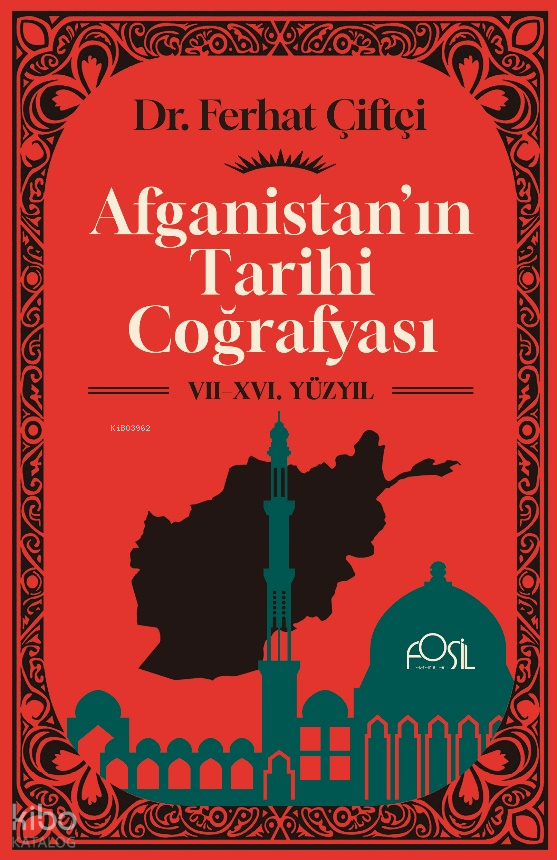
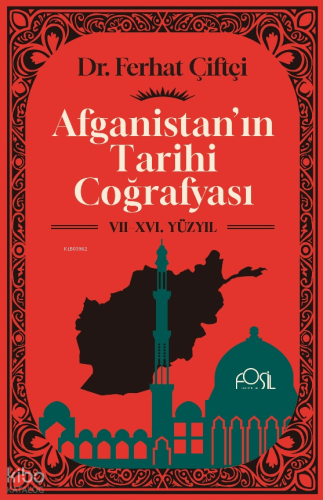
Afganistan’ın Tarihi Coğrafyası (VII-XVI. Yüzyıl)
500.00
Asya'nın kalbinde yer alan ve tarih boyunca imparatorlukların mücadele alanı olmuş Afganistan, medeniyetlerin birbirine temas ettiği eşsiz bir kavşaktır. Bu kitap, İslamiyet öncesi Bozkır kültüründen doğan erken Türk topluluklarından, Türk-İslam hanedanlıklarına; Moğol istilalarından Timurlu fetihlerine ve Babürlü dönemlerine kadar geniş bir tarihsel arka planı, coğrafi veriler ve yazılı kaynaklar ışığında yeniden inşa ediyor. Vadiler, geçitler, şehirler, nehirler bu çalışmada sadece birer doğal unsur değil; tarihî akışın bizzat taşıyıcıları olarak karşımıza çıkıyor.
Tarihi coğrafya, toponomi, dilbilimi, Coğrafi Bilgi Sistemleri (CBS) ve modern saha verilerinin bir araya getirildiği bu kapsamlı araştırma; Afganistan'ın VII–XVI. yüzyıllar arasındaki dönüşümünü anlaşılır, titiz ve etkileyici bir anlatımla sunuyor. Akademik çevreler için sağlam bir kaynak, meraklı okuyucular içinse sürükleyici bir keşif fırsatı olan bu eser, geçmişin ışığında bugünün jeopolitiğini kavrama imkânı veriyor.
THE HISTORICAL GEOGRAPHY OF AFGHANISTAN (7th–16th Centuries)
Situated in the heart of Asia, Afghanistan has long been a stage where empires have contended and civilizations have intersected. More than a mere battleground, it stands as a unique crossroads of cultures, beliefs, and histories. This book reconstructs a broad historical landscape—ranging from early Turkic communities shaped by pre-Islamic steppe cultures to the rise of Turkic-Islamic dynasties, from Mongol invasions to the Timurid conquests and the Mughal era—through geographic data and textual sources. Valleys, passes, rivers, and cities emerge not merely as physical features, but as active participants in the historical process.
Bringing together historical geography, toponymy, linguistics, Geographic Information Systems (GIS), and modern field data, this comprehensive study offers a clear, meticulous, and compelling account of Afghanistan's transformation between the 7th and 16th centuries. It serves as a solid reference for scholars and a captivating journey of discovery for curious readers—offering not only a deeper understanding of the past, but also new insights into the geopolitical realities of the present.
Asya'nın kalbinde yer alan ve tarih boyunca imparatorlukların mücadele alanı olmuş Afganistan, medeniyetlerin birbirine temas ettiği eşsiz bir kavşaktır. Bu kitap, İslamiyet öncesi Bozkır kültüründen doğan erken Türk topluluklarından, Türk-İslam hanedanlıklarına; Moğol istilalarından Timurlu fetihlerine ve Babürlü dönemlerine kadar geniş bir tarihsel arka planı, coğrafi veriler ve yazılı kaynaklar ışığında yeniden inşa ediyor. Vadiler, geçitler, şehirler, nehirler bu çalışmada sadece birer doğal unsur değil; tarihî akışın bizzat taşıyıcıları olarak karşımıza çıkıyor.
Tarihi coğrafya, toponomi, dilbilimi, Coğrafi Bilgi Sistemleri (CBS) ve modern saha verilerinin bir araya getirildiği bu kapsamlı araştırma; Afganistan'ın VII–XVI. yüzyıllar arasındaki dönüşümünü anlaşılır, titiz ve etkileyici bir anlatımla sunuyor. Akademik çevreler için sağlam bir kaynak, meraklı okuyucular içinse sürükleyici bir keşif fırsatı olan bu eser, geçmişin ışığında bugünün jeopolitiğini kavrama imkânı veriyor.
THE HISTORICAL GEOGRAPHY OF AFGHANISTAN (7th–16th Centuries)
Situated in the heart of Asia, Afghanistan has long been a stage where empires have contended and civilizations have intersected. More than a mere battleground, it stands as a unique crossroads of cultures, beliefs, and histories. This book reconstructs a broad historical landscape—ranging from early Turkic communities shaped by pre-Islamic steppe cultures to the rise of Turkic-Islamic dynasties, from Mongol invasions to the Timurid conquests and the Mughal era—through geographic data and textual sources. Valleys, passes, rivers, and cities emerge not merely as physical features, but as active participants in the historical process.
Bringing together historical geography, toponymy, linguistics, Geographic Information Systems (GIS), and modern field data, this comprehensive study offers a clear, meticulous, and compelling account of Afghanistan's transformation between the 7th and 16th centuries. It serves as a solid reference for scholars and a captivating journey of discovery for curious readers—offering not only a deeper understanding of the past, but also new insights into the geopolitical realities of the present.
Iyzico İle Öde
| Taksit Sayısı | Taksit tutarı | Genel Toplam |
|---|---|---|
| Tek Çekim | 500,00 | 500,00 |
| 2 | 250,00 | 500,00 |
| 3 | 166,67 | 500,00 |
| 4 | 125,00 | 500,00 |
| 5 | 100,00 | 500,00 |
| 6 | 83,33 | 500,00 |
Yorum yaz
Bu kitabı henüz kimse eleştirmemiş.
-
-%24
 Stokta yok%24İNDİRİM240,00 182,40
 -
-%29
Stokta yok
-



-
Stokta yok
-
Stokta yok
-
Stokta yok
-
Stokta yok
-
Stokta yok
-
Stokta yok